Botanical Love
Coriander Seeds
Coriander Seeds
Couldn't load pickup availability
🎁 Free gift included with every order!
The Benefits and Uses of Coriander Seeds
Botanical Love seeds.
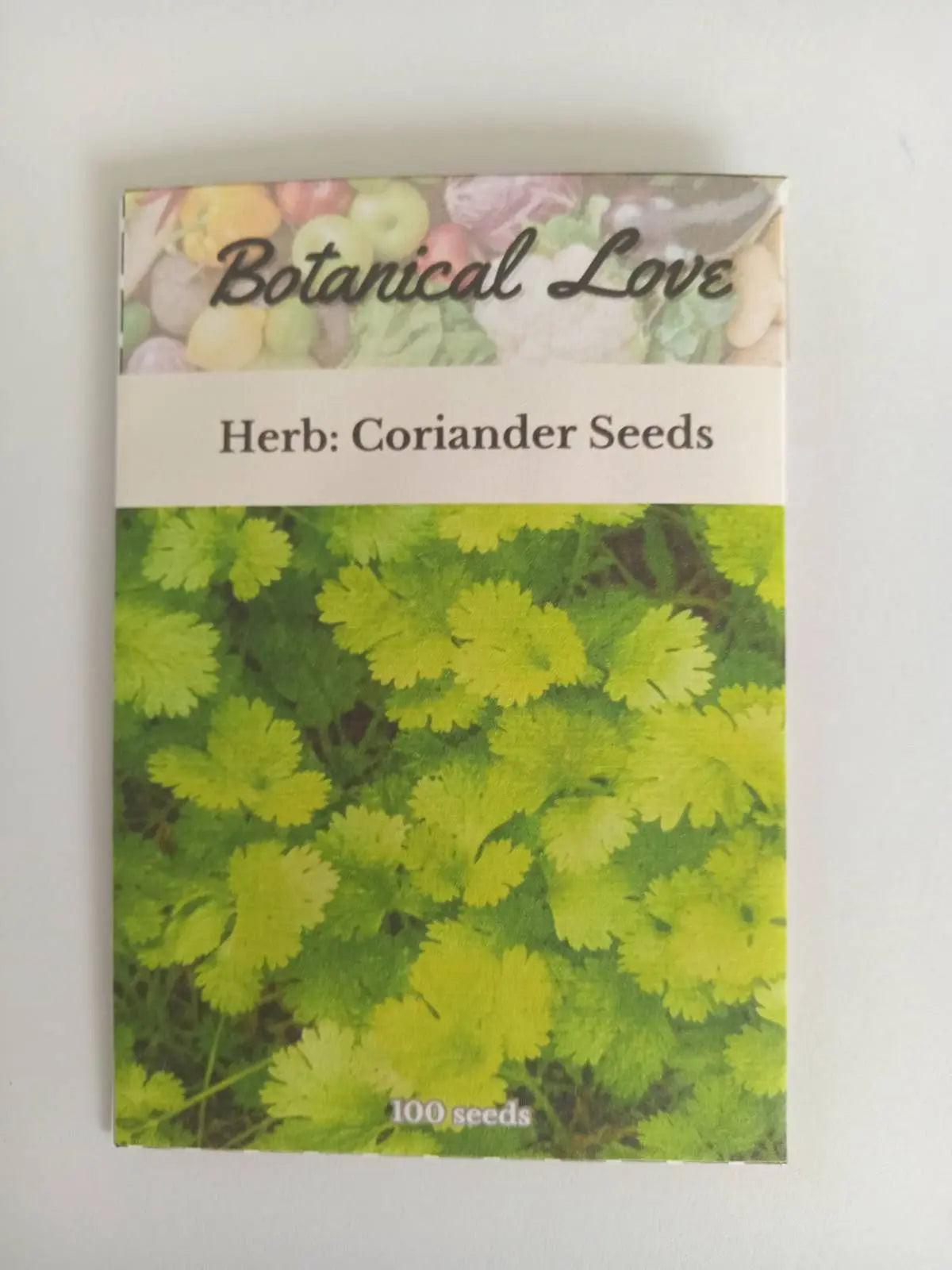
100 seeds
Coriander Seeds
Plant seeds September to December (or till November if upper North Island).
Grow fresh, fragrant herbs at home with Coriander Seeds, a slow-bolting, pungent variety ideal for adding bold flavour to everyday cooking. Perfect for herb gardens, raised beds, and kitchen garden spaces, coriander is a quick-growing annual herb prized for its aromatic leaves, edible stems, roots, and seeds. It’s especially popular in Asian-style dishes, sauces, curries, soups, and fresh garnishes.
For best results, these coriander seeds are best direct sown where they are to grow, as coriander has a delicate root system and prefers not to be disturbed. Sow seeds 2cm deep in well-prepared soil with an optimum soil temperature of 20–30°C, spacing rows 20–30cm apart and plants 5–10cm apart. This variety grows well in a sunny or partly shady position, and reaches crop maturity in around 40 to 50 days. Regular watering and picking will help encourage leafy growth and reduce bolting.
Ideal for home gardeners wanting a fast, easy, and rewarding herb crop, coriander seeds are a great choice for growing your own fresh herbs at home. With their strong flavour, quick growth, and versatile kitchen uses, these seeds are perfect for anyone wanting a reliable herb for fresh seasonal cooking and productive home gardens.
What Are Coriander Seeds?
Coriander seeds are the dried seeds of the coriander plant, also known as cilantro. These small, round seeds carry a warm, nutty, and citrus-like flavor that enhances many culinary dishes worldwide. Widely used as a spice, coriander seeds are a staple in various cuisines including Indian, Middle Eastern, and Mediterranean. Beyond their culinary uses, coriander seeds have been appreciated for their natural health benefits and aromatic qualities for centuries, making them a versatile addition to any kitchen pantry.
Health Benefits of Coriander Seeds
In addition to adding flavor to meals, coriander seeds are known for several health benefits. They contain antioxidants and essential oils that may aid digestion, reduce inflammation, and support heart health. Their natural antibacterial properties help in fighting infections. Furthermore, coriander seeds have been traditionally used to manage blood sugar levels and improve appetite. Incorporating coriander seeds into your diet can have a positive impact on overall wellness, making them more than just a simple spice.
How to Use Coriander Seeds in Cooking
Coriander seeds can be used whole, crushed, or ground, depending on the recipe. Toasting the seeds before use enhances their flavor and aroma, making them ideal for spice blends, soups, curries, and marinades. They pair well with cumin, turmeric, and chili, adding a complex and balanced taste to dishes. Whether added at the beginning of cooking or as a finishing touch, coriander seeds bring a distinctive warmth and earthiness that elevates the flavor profile of any dish.
Share